Music

Hindustani Classical Vocal Music

Hindustani Classical Vocal Music is the traditional art music of Northern India, rooted in ancient Vedic chants and refined over centuries through Persian and regional influences. It centers on real-time improvisation guided by melodic frameworks (Ragas) and rhythmic cycles (Talas).


Light Vocal Music

Light Vocal Music (often called Light Classical or Semi-Classical) sits at the bridge between rigorous Hindustani classical music and popular film or folk music. While rooted in classical ragas and talas, it prioritizes poetic expression, emotional warmth, and immediate accessibility over strict grammatical improvisation.

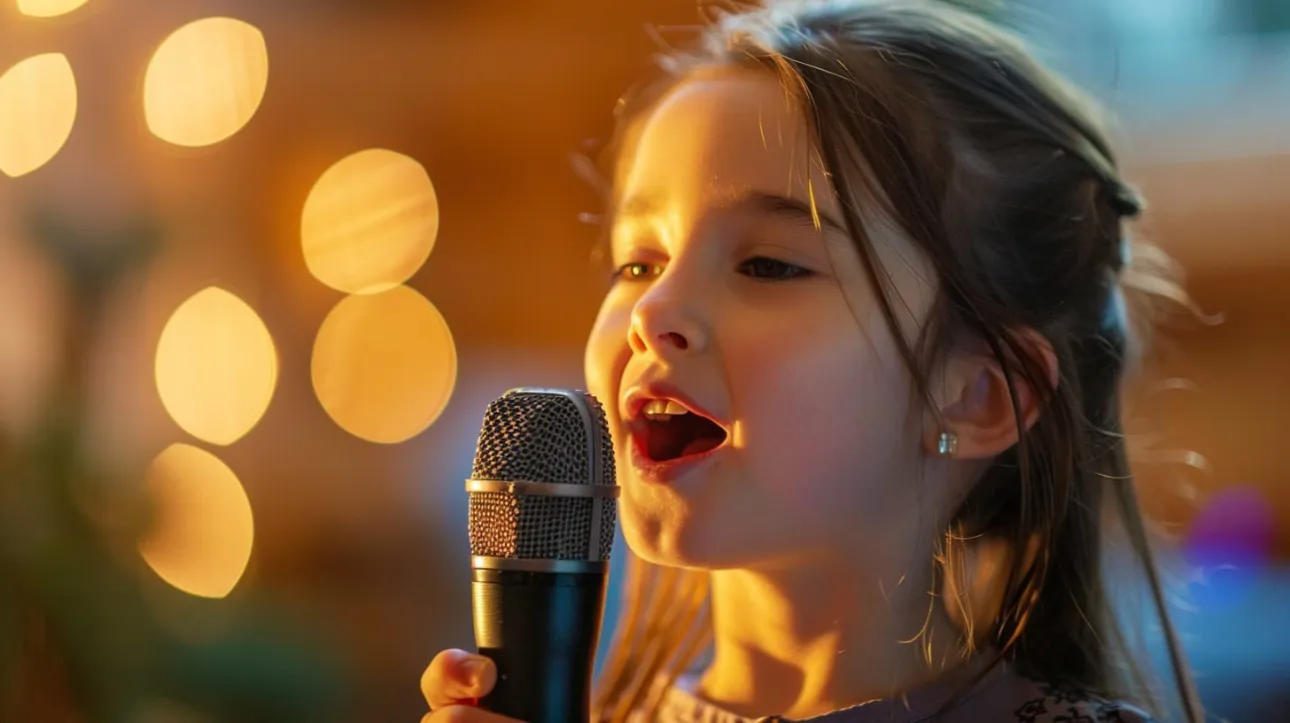
Vocal Singing

Western Vocal Music

Western Vocal Music encompasses a wide variety of singing traditions originating from Western culture, ranging from classical opera to contemporary popular genres. It emphasizes structured vocal technique, pitch precision, breath support, and resonance to deliver clear, expressive vocal performances.

Instruments 

Keyboard Classes

Piano / Keyboard Classes

A concise guide for Piano and Keyboard Classes, covering core skills, typical course structures, and essential practice tips.

Guitar Classes

Guitar

A clear and concise guide to guitar instruments, detailing their core types, tonewoods, and essential features.

Tabla Classes

Tabla

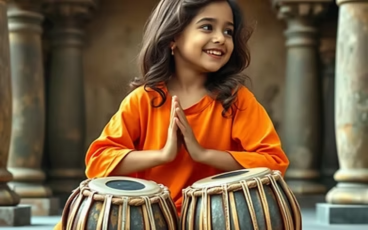
A Tabla Structure: A Tale of Two Drums i.e.; Dayan (Tabla / Right Drum) and Bayan (Dagga / Left Drum

Drum Classes

Drum / Congo

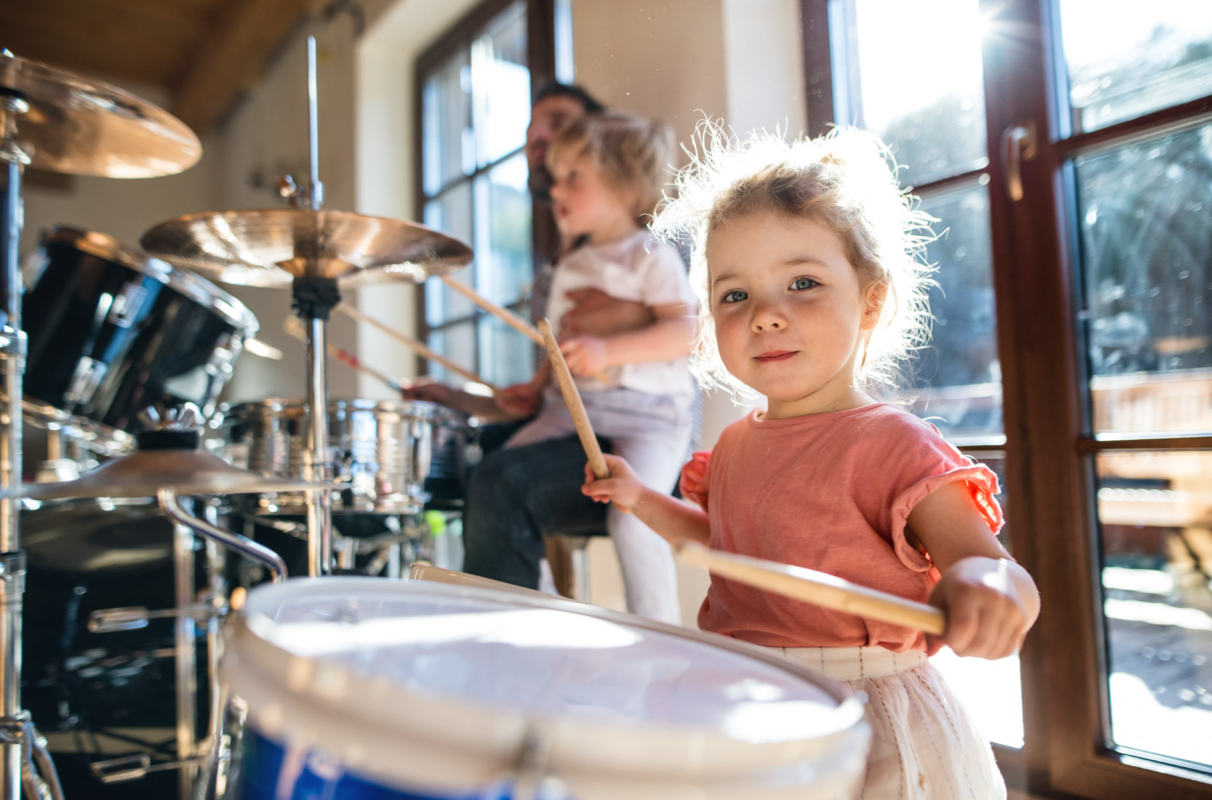
A concise guide to Drums and Congas, highlighting their construction, core roles, and key models.

Piano Classes

Harmonium

A concise guide to the Harmonium, a foundational free-reed keyboard instrument widely used for vocal accompaniment in Indian classical, devotional, and folk music.

Tabla Classes

Octapad

A concise guide to the Octapad, a versatile electronic percussion pad widely used in live gigs, studio recordings, and Indian fusion music.

Fine Arts

Sketching & Drawing Techniques

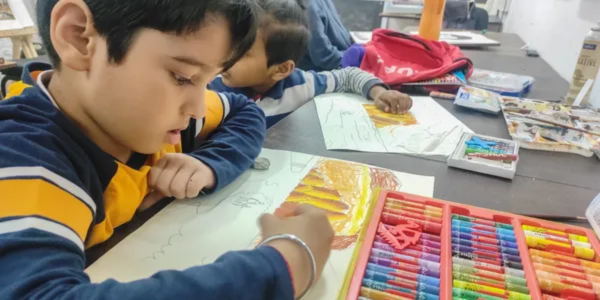
Sketching and Drawing are fundamental visual arts skills used to translate 3D form, light, and perspective onto a 2D surface. Sketching focuses on loose, quick exploratory lines, while drawing refines these shapes with precise line weight, shading, and texture.

Water Painting

Watercolor Painting is a fluid, medium-based art form known for its transparency, luminosity, and delicate transitions. Unlike opaque mediums like acrylic or oil, watercolors rely on the white of the paper for highlights, building tones through light-to-dark layering.

Oil Painting

Oil Painting is a classic fine art medium known for its rich luminosity, smooth blending capabilities, and slow drying time. Pigments are suspended in a drying oil binder (usually linseed oil), allowing artists to rework areas over days and build deep, realistic layers of color.

Commercial Art

Commercial Art is creative artwork produced for practical, mass-market applications—such as advertising, branding, packaging, and digital media. Unlike Fine Art, which prioritizes personal artistic expression, Commercial Art is created with a specific business purpose: to promote products, convey ideas, or influence consumer behavior.

Calligraphy

Calligraphy is the visual art of decorative handwriting and lettering, using specialized tools to transform written characters into harmonious, expressive visual compositions. It balances precise stroke mechanics, spatial awareness, and artistic rhythm.

Color Theory & Composition

Color Theory and Composition are the foundational structural principles of visual art. Color theory governs how hues interact emotionally and visually, while composition determines how elements are arranged within a frame to direct the viewer’s eye and tell a clear story.

Creative Expression & Art Theory

Creative Expression and Art Theory explain how ideas, emotions, and philosophies are translated into tangible visual forms. While creative expression represents the personal, intuitive drive to convey human experience, art theory provides the analytical framework used to critique, contextualize, and understand visual work.

Exhibition & Presentation Skills

Creative Expression and Art Theory explain how ideas, emotions, and philosophies are translated into tangible visual forms. While creative expression represents the personal, intuitive drive to convey human experience, art theory provides the analytical framework used to critique, contextualize, and understand visual work.

Create your first navigation menu here